

See What Your Property Could Earn →
Live insights from the GTA market
Expert Insights on Toronto Short-Term Rentals
Compliance updates, revenue strategy, and neighbourhood intelligence — written by Ali Cheema and the Oakwood BNB team.

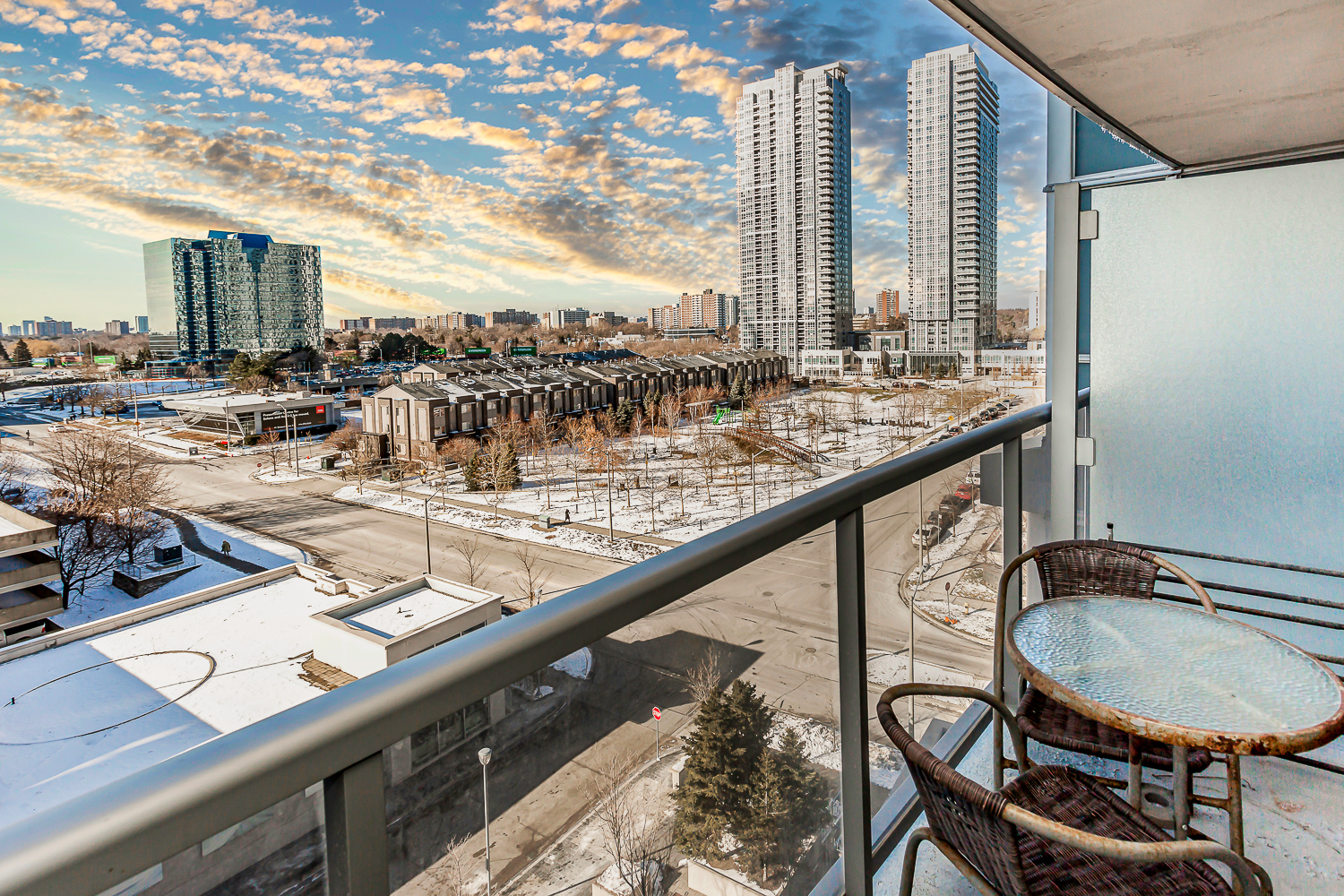
Mid-Term Rentals in Toronto: The Answer to the 180-Night Cap and the Winter Slowdown
Toronto's short-term rental rules stop at 28 nights. Mid-term stays pick up where they end, and they're strongest exactly when the city's travel demand is weakest.



Airbnb Damage in Ontario: What AirCover Covers, Where Insurance Falls Short, and What to Do When a Claim Is Denied
AirCover is not insurance. Here is how Ontario hosts can protect their homes, file stronger damage claims, and know their options when Airbnb says no.
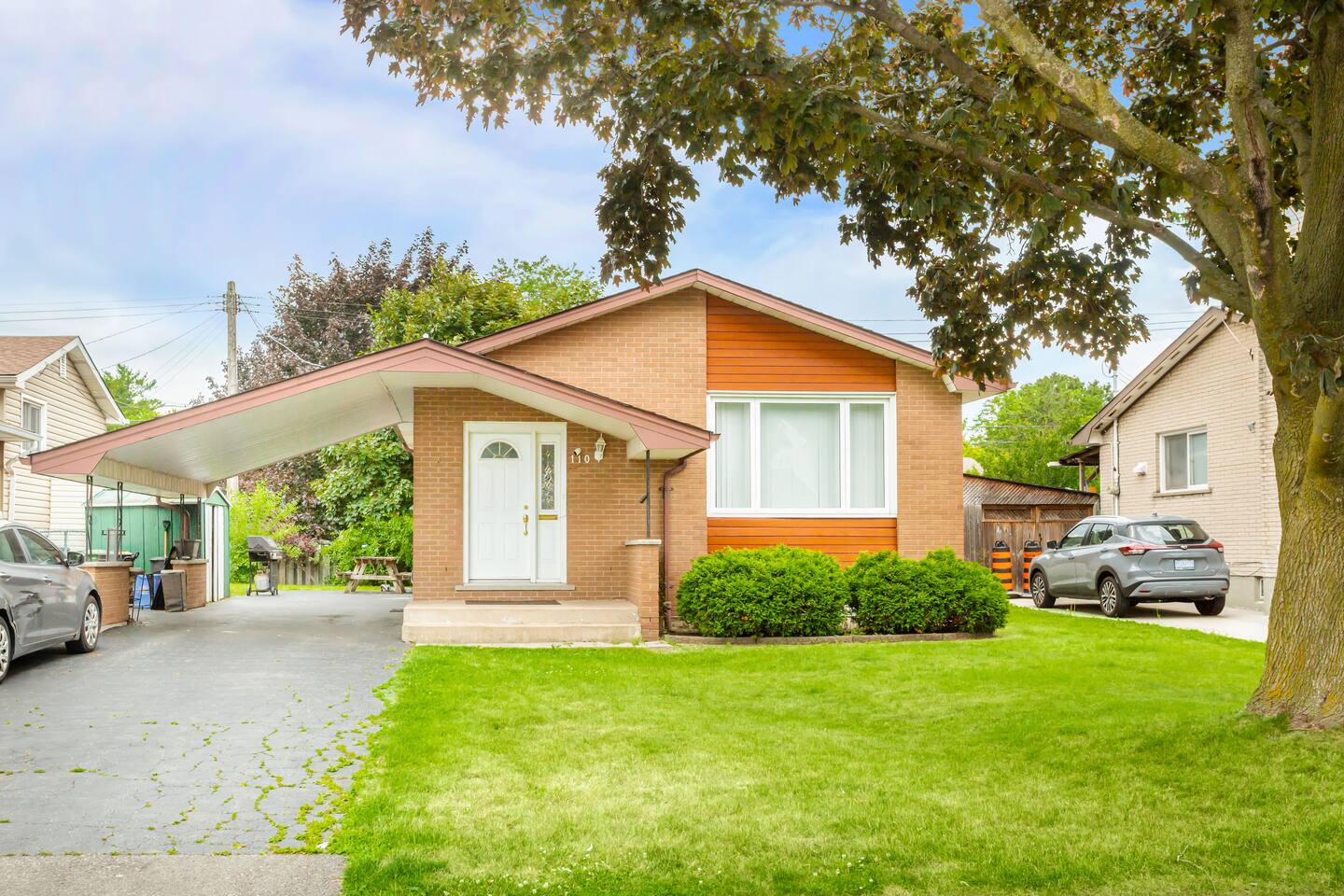
Short-Term Rental or Long-Term Lease in Toronto? How GTA Owners Should Decide in 2026
Airbnb or a long-term tenant? The answer depends less on which earns more and more on what your city allows, how much risk you can carry and how hands-on you want to be. Here's how GTA owners should decide in 2026.

Can You Airbnb Your Toronto Condo in 2026–2027? Rules, Checklist & Next Steps
Thinking about listing your Toronto condo on Airbnb? Here's what to check first, from City rules to your condo board, plus a simple compliance checklist.

Party Prevention for Detached Homes & Group Stays: How Oakwood Protects Toronto Homeowners
Detached homes and group stays earn the most on Airbnb and carry the most risk. Here's how we spot party bookings early and protect homeowners.

Cottage Country Beyond Summer: How to Extend the Rental Season in Wasaga Beach, Innisfil and Harcourt
A summer-only cottage leaves most of its calendar empty. How do owners in Wasaga Beach, Innisfil and Harcourt build demand across every season.
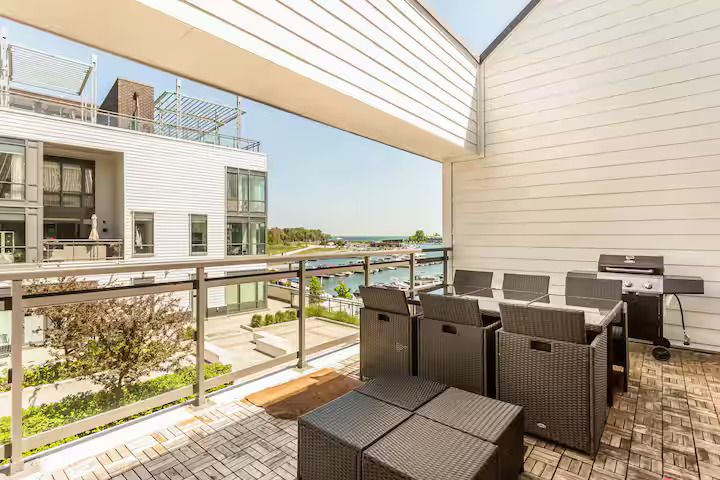
Group Stays in GTA Detached Homes: How to Welcome Big Groups and Keep Parties Out
Large homes attract large groups, and most of them are exactly the guests you want. This guide covers how to welcome families and groups to your GTA or downtown Toronto Airbnb while keeping parties out.
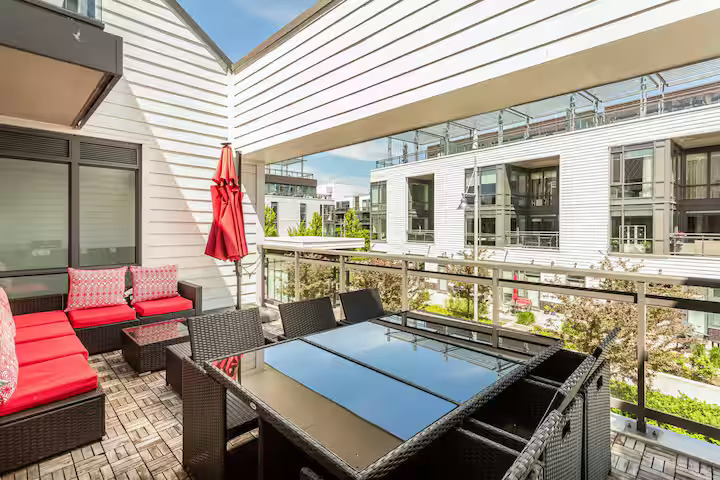
Airbnb Co-Host in Toronto & the GTA: The Complete 2026 Guide
What an Airbnb co-host does, what it really costs in Toronto and the GTA, and how to spot hidden fees before you sign. A transparent guide from a team with eight years in the market and a portfolio that is 100% Superhost.

What Europe's "Staycation Economy" Signals for Canadian Short-Term Rental Investors
European travel data reveals a growing "staycation economy" that mirrors a real shift underway in Canada's short-term rental market. What smart STR investors should be watching instead of chasing city-by-city rankings.

Is Your Airbnb Manager Actually Building Your Revenue — Or Just Managing Your Listing?
Most owners never find out their manager is underperforming until someone shows them what "good" actually looks like. Here are seven signs yours might be — and what a real audit turns up
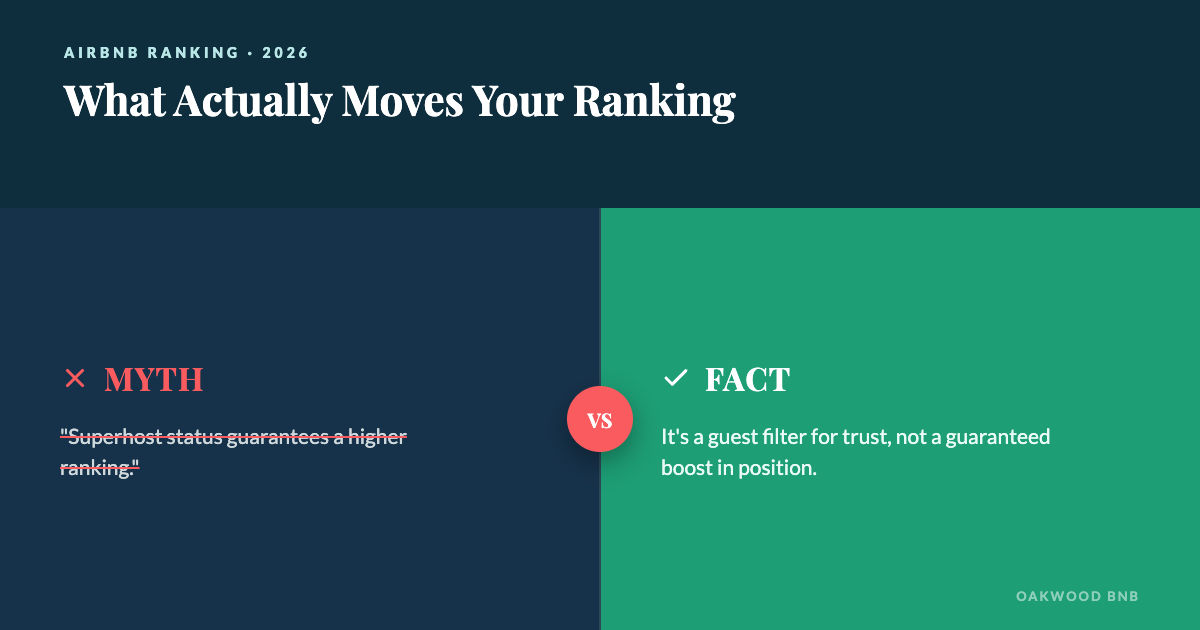
What Actually Moves Your Airbnb Ranking in 2026 (And the Myths That Won't Die)
Superhost badges, keyword-stuffed titles, the 4.7-star scare — we separate real Airbnb ranking factors from host forum myths, using Airbnb's own guidance.

Why So Many GTA Hosts Are Rethinking Who Manages Their Airbnb
Self-managing your Airbnb or stuck with a property manager who isn't delivering? Ali breaks down why both routes fail GTA hosts — and what actually drives consistent, professional returns.
Toronto's Short-Term Rental Tax Just Changed Again
Toronto's short-term rental tax (MAT) dropped back to 6% on August 1, 2026. Here's the confirmed rate, and why your paperwork matters more than the number.
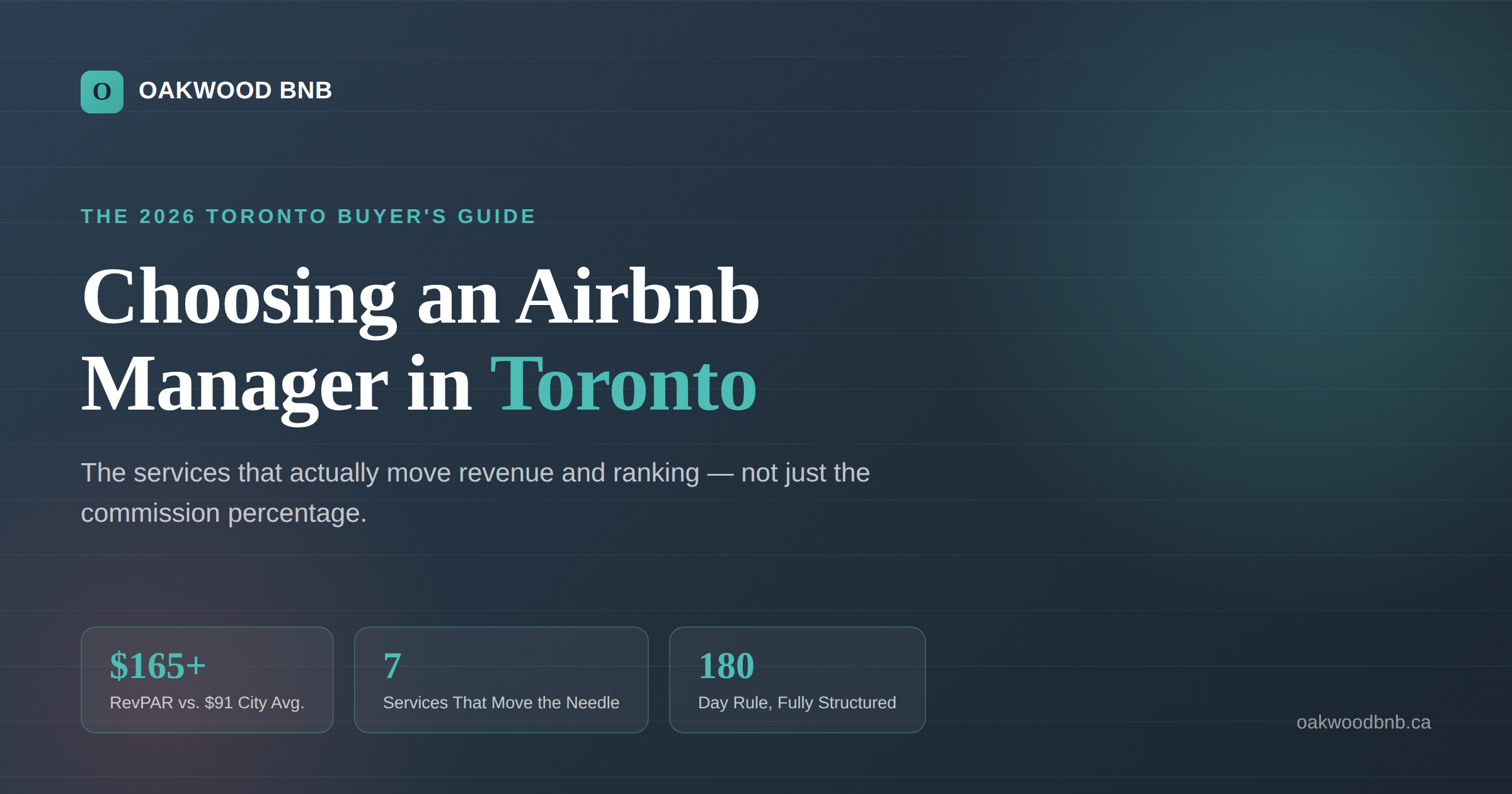
Choosing an Airbnb Management Company in Toronto: The 2026 Guide to Revenue, Ranking & Compliance
Toronto Airbnb hosts: your management company's commission percentage is the least useful number you can compare. 👇 Fewer than 1 in 20 Toronto short-term rentals are professionally managed — and the ones that are consistently clear $165+ RevPAR against a $91 city-wide average. The gap isn't luck. It's 7 specific services: how a manager structures your 180-day cap, event-driven pricing around TIFF and conventions, guest vetting tied directly to Airbnb's own ranking algorithm, and a real off-platform marketing engine most "full-service" companies skip entirely.

Between Checkout and Check-In: The Guest Experience Standard That Gets Lost at Scale
Every Airbnb turnover looks the same from the outside. Here's the 6-step standard that decides whether a guest's first impression is five-star or forgettable.

Airbnb Property Management in Toronto: Why More Owners Are Switching to Oakwood BNB
Frustrated with your current Airbnb property manager? Here's what real Airbnb property management in Toronto actually looks like and why more owners are switching to Oakwood BNB in 2026.

The Real Cost of Self-Managing Your GTA Short-Term Rental in 2026
Toronto, Richmond Hill, Vaughan, Brampton, Oakville, Niagara-on-the-Lake — six markets, six very different rulebooks. Here's what your GTA short-term rental should actually be earning in 2026, and what self-managing it is really costing you.

"Which Airbnb management company is best?" is the wrong question.
Every company in this city will tell you they're the best. Full-service, 24/7, maximize your revenue — the same words on every website. Here's the better question, and the honest way to answer it.

Self-Managing vs. Hiring a Property Manager: The Real Cost Breakdown for Toronto STR Owners
Most Toronto STR owners think self-managing saves money. This breakdown shows the real numbers — and why most are netting 40–60% less than their property's true ceiling.

The 180-Day Guide: How to Maximize Toronto Short-Term Rental Income
The 180-day cap doesn't mean 180 days of income. Our hybrid strategy keeps properties generating revenue all 365 days of the year — legally.
Toronto Airbnb Rules 2026: What Property Owners Actually Need to Know
Toronto has shifted from leniency to strict, automated enforcement. Here's what's legally allowed in 2026 — the principal residence rule, MAT increase, and penalties.
Maximizing STR Yield: The Top 5 Highest-Earning Neighbourhoods in Toronto (2026 Data)
A record 28.2 million visitors came to Toronto in 2025. But location alone won't break your revenue ceiling — here's the full neighbourhood breakdown.
